
Introduction
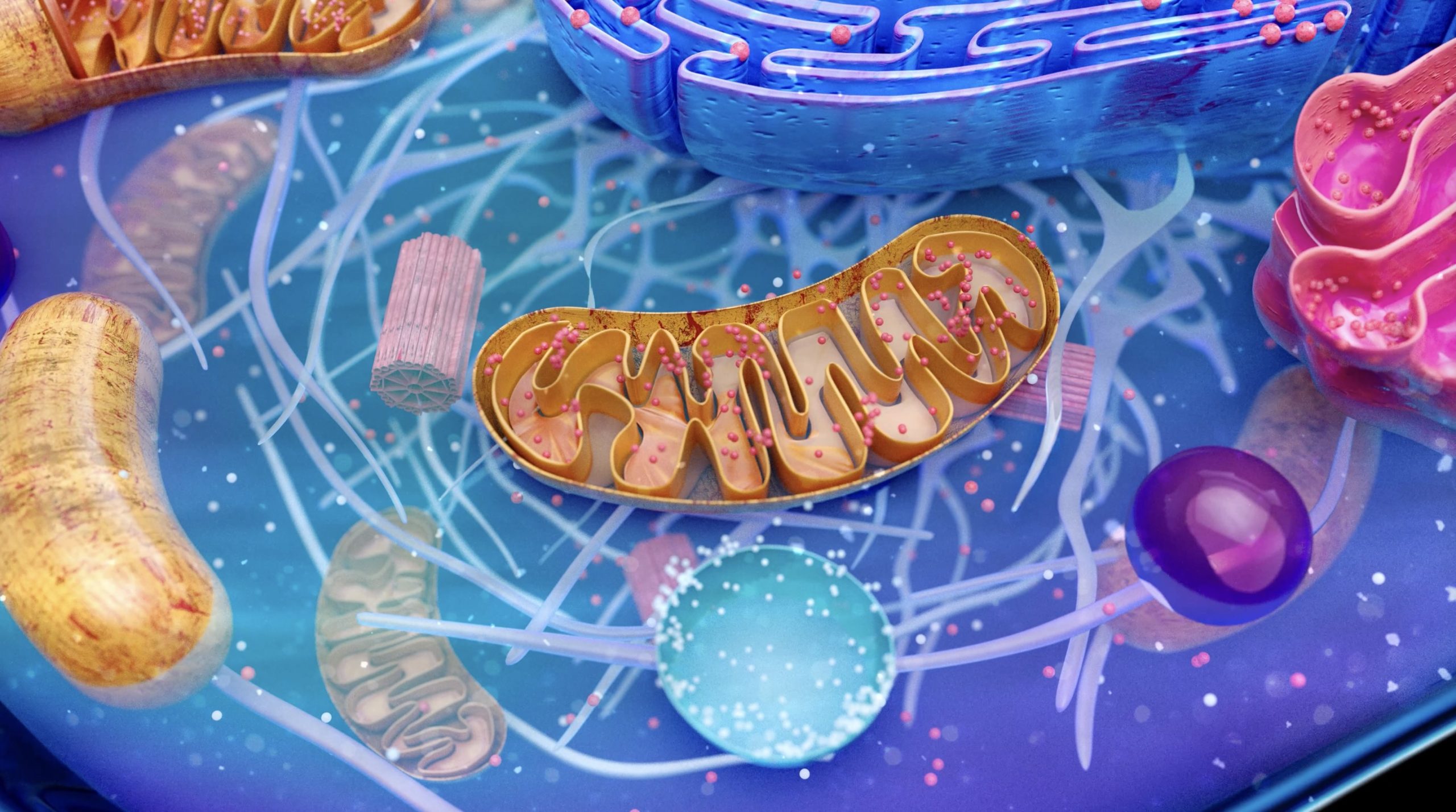
Mitochondria are important organelles that are constantly moving and involved in producing ATP, maintaining calcium levels, responding to oxidative stress, and regulating cell death. If mitochondria become dysfunctional or damaged, it can have serious consequences including cell death. It is crucial to keep mitochondria functioning properly for overall cell health. Mitophagy is a process where damaged mitochondria are selectively broken down under toxic conditions, which is essential for maintaining mitochondrial quality. Abnormal mitophagy that worsens mitochondrial dysfunction is linked to the development of various diseases. In the heart, mitochondria play a vital role in keeping the heart functioning properly due to its high energy demands. The buildup of dysfunctional mitochondria is linked to cardiovascular diseases like heart attacks, cardiomyopathy, and heart failure. Recent research on mitophagy and its impact on cardiovascular disease is discussed in this review.
Autophagy, a fundamental cellular process, plays a pivotal role in maintaining cellular homeostasis by degrading and recycling cytoplasmic components, including damaged mitochondria. This review elucidates the intricate relationship between autophagy and mitochondrial function, focusing on mitophagy, a selective autophagy process crucial for mitochondrial quality control. We discuss the molecular mechanisms underlying autophagy and mitophagy, their impact on mitochondrial health, and the implications for diseases characterized by mitochondrial dysfunction.
Autophagy is a catabolic process essential for cell survival, differentiation, development, and homeostasis, wherein cellular material is sequestered in autophagosomes and delivered to lysosomes for degradation. Mitophagy, a specific form of autophagy, is critical for eliminating dysfunctional mitochondria, thus preventing the accumulation of damaged mitochondria which can lead to cellular distress and disease.
Autophagy: Mechanisms and Regulation
This section provides an overview of the autophagy process, including initiation, nucleation, expansion, and fusion, detailing the roles of autophagy-related genes (ATGs) and the molecular signaling pathways involved. The regulation of autophagy in response to cellular stress, nutrient status, and other environmental cues is also discussed.
Mitochondrial Dysfunction and Cellular Stress
Mitochondria are central to energy production, apoptosis, and cell signaling. Their dysfunction, characterized by impaired oxidative phosphorylation, increased reactive oxygen species (ROS) production, and altered calcium homeostasis, can have deleterious effects on cellular health and contribute to the pathogenesis of various diseases.
Mitophagy: Molecular Mechanisms and Significance
We delve into the specific pathways of mitophagy, including the PINK1/Parkin pathway and receptor-mediated pathways, illustrating how damaged mitochondria are recognized and targeted for degradation. The role of mitophagy in controlling mitochondrial quality and quantity, as well as its implications for cellular metabolism and stress responses, is highlighted.
Autophagy, Mitophagy, and Mitochondrial Biogenesis
The interplay between mitophagy and mitochondrial biogenesis ensures the maintenance of a healthy mitochondrial network. This section explores how autophagy and mitophagy are coordinated with mitochondrial biogenesis, mediated by factors like PGC-1α, to balance mitochondrial turnover and biogenesis, particularly under stress conditions.
Implications for Human Health and Disease
Autophagy and mitophagy are vital for preventing the accumulation of damaged mitochondria, associated with various pathological conditions, including neurodegenerative diseases, cancer, and metabolic disorders. The therapeutic potential of modulating autophagy and mitophagy to mitigate mitochondrial dysfunction and improve cellular health is discussed.
Conclusion
The dynamic interplay between autophagy and mitochondrial function is critical for cellular health and resilience. Advancements in understanding the mechanisms of autophagy and mitophagy provide promising avenues for therapeutic interventions in diseases associated with mitochondrial dysfunction. Future research should focus on elucidating the detailed regulatory networks and identifying potential therapeutic targets within these pathways.
References:
Levine, B., & Klionsky, D. J. (2004). Development by self-digestion: molecular mechanisms and biological functions of autophagy. Cell, 120(4), 463-477.
Youle, R. J., & Narendra, D. P. (2011). Mechanisms of mitophagy. Nature Reviews Molecular Cell Biology, 12(1), 9-14.
Palikaras, K., Lionaki, E., & Tavernarakis, N. (2018). Balancing mitochondrial biogenesis and mitophagy to maintain energy metabolism homeostasis. Cell Death & Differentiation, 25(9), 1619-163
